(Re)connect presents ten films by artists and filmmakers that engage with historical narratives and collective cultures of memory. They explore the knowledge embedded in myths and songs, in oral traditions, and inherited wisdom. The films convey this culturally endangered heritage while simultaneously opening our eyes to new possible pathways toward the future.
From the very beginning, moving images and the development of cinema have played a crucial role in the representation of history and everyday perception across all cultures. The depiction of time and space has become an essential component of storytelling. Cinematography today is a language that shapes our understanding of real and imagined moments. The artists featured in the exhibition blur the boundaries between fiction and reality by creating striking visual worlds and expansive soundscapes, where genres like science fiction, experimental cinema, documentary film, and video art intersect. In doing so, they sharpen awareness of complex historical contexts and often overlooked legacies while fostering a sense of community and collective narrative.
The supernatural and the slipping away from reality give rise to stories in these films, where animism and illusion permeate the landscapes. For artists like Patricia Domínguez, Ursula Biemann, and Dorota Gawęda & Eglė Kulbokaitė, their works transcend the boundaries between spiritual and parallel worlds (quantum realms). In doing so, they connect traditional knowledge with contemporary science, where life exists at the threshold between the living and the dead. Others, such as Tai Shani and Laura Huertas Millán, engage with botany, using plants and fungi as visions for society, from which new futures may emerge.
In the ten films and video works of (Re)connect, nature serves both as a stage and an actor. Traditional narratives—whether from indigenous communities, ancient mythologies, or Slavic folklore—reveal how people across cultures relate to their landscapes. Yet the landscape is not merely a backdrop but a character with its own agency, shaping the plot of the cinematic works. At the same time, the protagonists of these films confront the past and their inherited traumas. They question dominant, one-dimensional constructions of the relationships between nature and culture, men and women, ecology and technology.
Curated by Olga Generalova
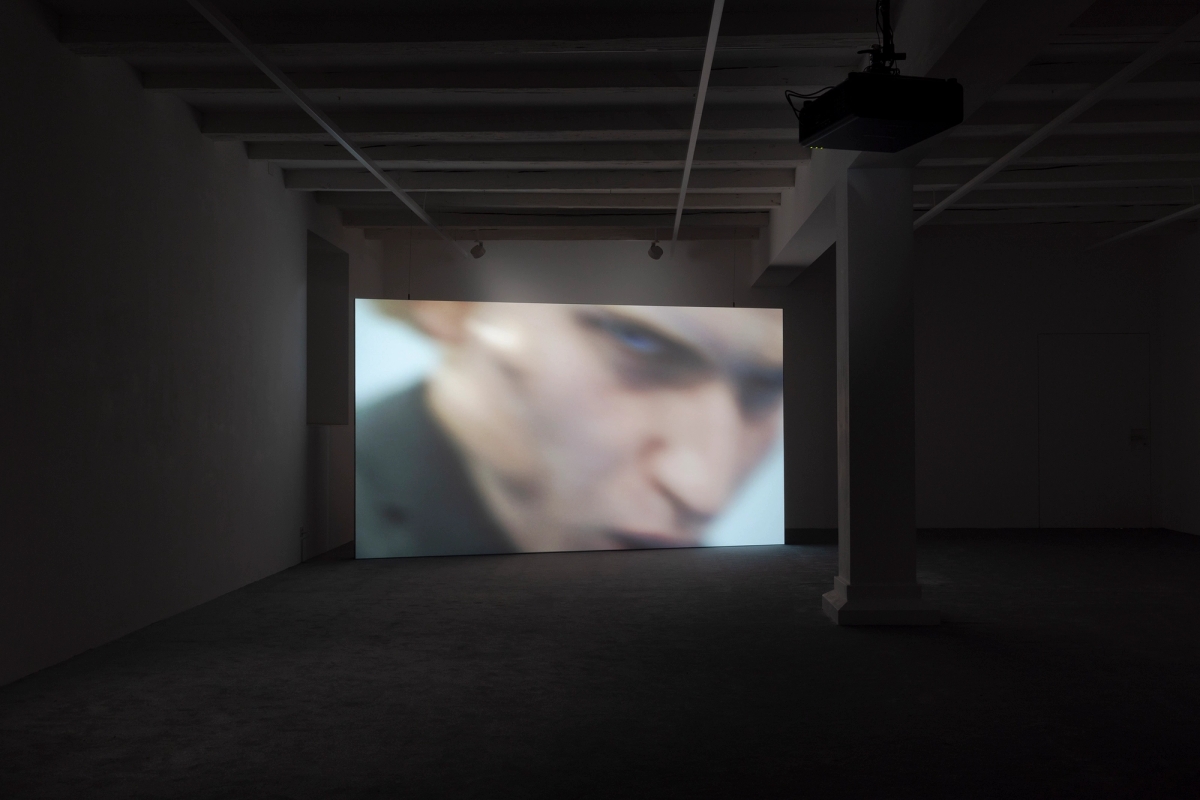
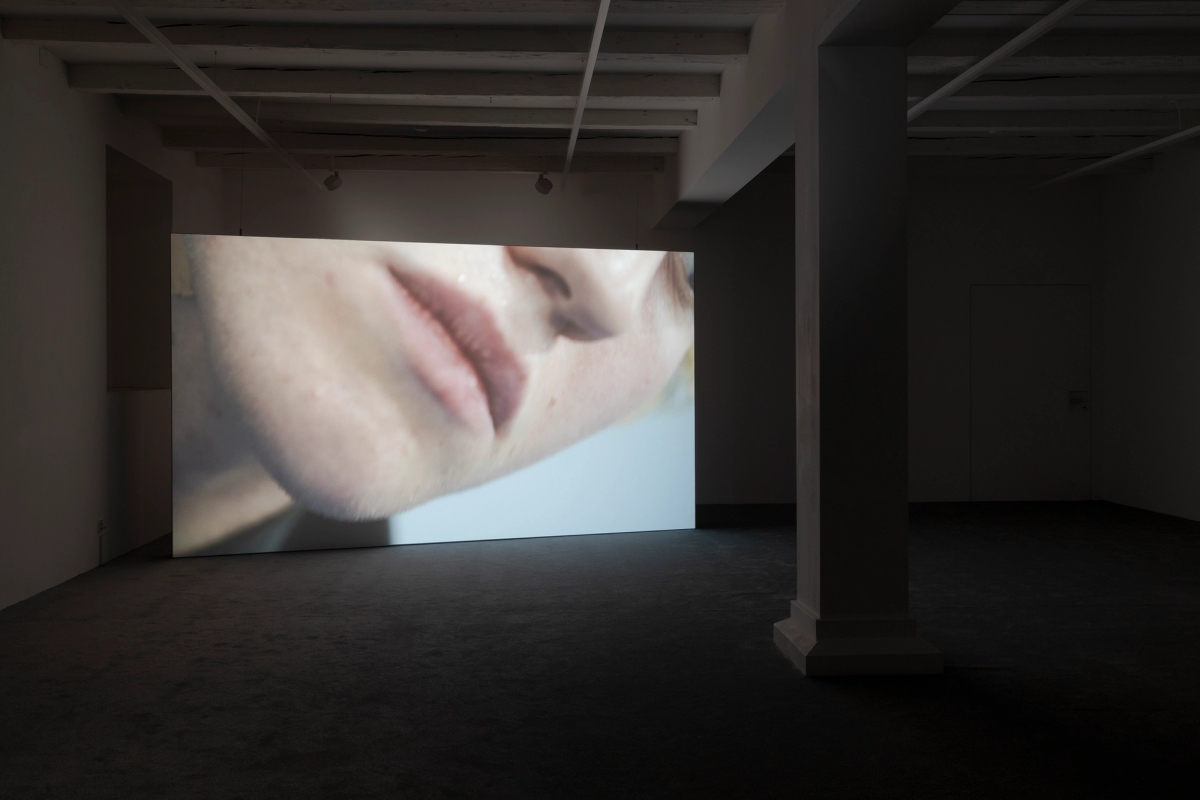
Dorota Gawęda & Eglė Kulbokaitė: Brood (Scene 5), 2024 (35 min.)
Brood (Scene 5) is the latest video in the Brood series, featuring Isokratisses' polyphonic singing by women in collaboration with sound producer OXHY. It draws inspiration from the mirologi, a traditional form of mourning songs performed at gravesites in Epirus, a historically disputed region on the Greek-Albanian border. The main character, the Upiór—a vampiric figure from Slavic folklore said to harbor two souls—serves as a bridge between the worlds of the living and the dead, embodying songs that weave together cultural traditions, especially those preserved and passed down by women, deeply connected to their land and environment. One of the songs featured in the work, Touti Yis Leni Mou, reflects: This earth, my Leni / This earth we walk on / We all enter in it...This earth with the flowers / Eats young women and girls / This earth with the violets / Eats old women like candies.