It’s Supposed To Be Simple, But I’m Not. Curated by Camille Regli.
With: Minda Andrén
Giulia Essyad
Dorota Gawęda & Eglė Kulbokaitė Josèfa Ntjam
Pipilotti Rist
Laura Schawelka
Jiajia Zhang
I’m lying in bed, phone in hand. It’s 11:20 pm and I should be falling asleep soon. Almost automatically, I refresh my emails—maybe a notification? At this hour, I wouldn’t even want to read it. I drift into other apps, where a torrent of posts feels both utterly trivial and unbearably significant—nauseating, dehumanising. Revolted—but still lying flat—I think about reacting, putting my “good conscience” on display. And yet, I wonder if this impulse is really just a passive action—or a confused, voluntary non-action. Is there no other way to engage than through posts and 10-second videos? Am I thinking too much? It’s complicated. Anyway, it’s late, 11:57 pm. I set my alarm, I switch on my small DOB radio, and fall asleep listening to another round of information.
Back in the 1980s, Jean Baudrillard warned us of the growing power of images: they no longer merely represent reality—they produce it. Postmodernist thinking fractured universal certainties that had once shaped systems of thought and power structures, opening the way to plurality and the deconstruction of knowledge. But over time, it left behind an ideological and political void, where little feels solid or mobilising. Today, the word simulacrum gets pasted onto everything: deepfakes, digital animation, synthetic worlds. The “real” don’t last long before hitting the digital. Inspired by artist and theorist Hito Steyerl’s recent book Medium Hot (2025) – in which she interrogates the speed and virality of images, probing the ethical, political, and environmental consequences of artificial intelligence – I wonder: while the democratisation of the Internet in the 1990s and 2000s helped disrupting entrenched hegemonies and amplifying the voices of marginalised and invisibilised communities, it also created an oversaturated reality without lasting impact. Images proliferate, repeat, multiply. Everything feels urgent, but nothing endures. This is not a call to restoreabsolutes, but a desire to get back to some form of agency in how technologies are used—and, by extension, how identities, bodies, materiality, and the expanded notions of the living perform. French philosopher Catherine Malabou argues for the notion of plasticity over simulacra. For her, subjectivities are shaped by rupture, malleability, and transformation. So, how can we regain control over the technological machinery that seems to exceed us? Perhaps fragmentation, rather than dissolving us, might indeed be a site of resilience and action.
It’s not simple, but neither am I.
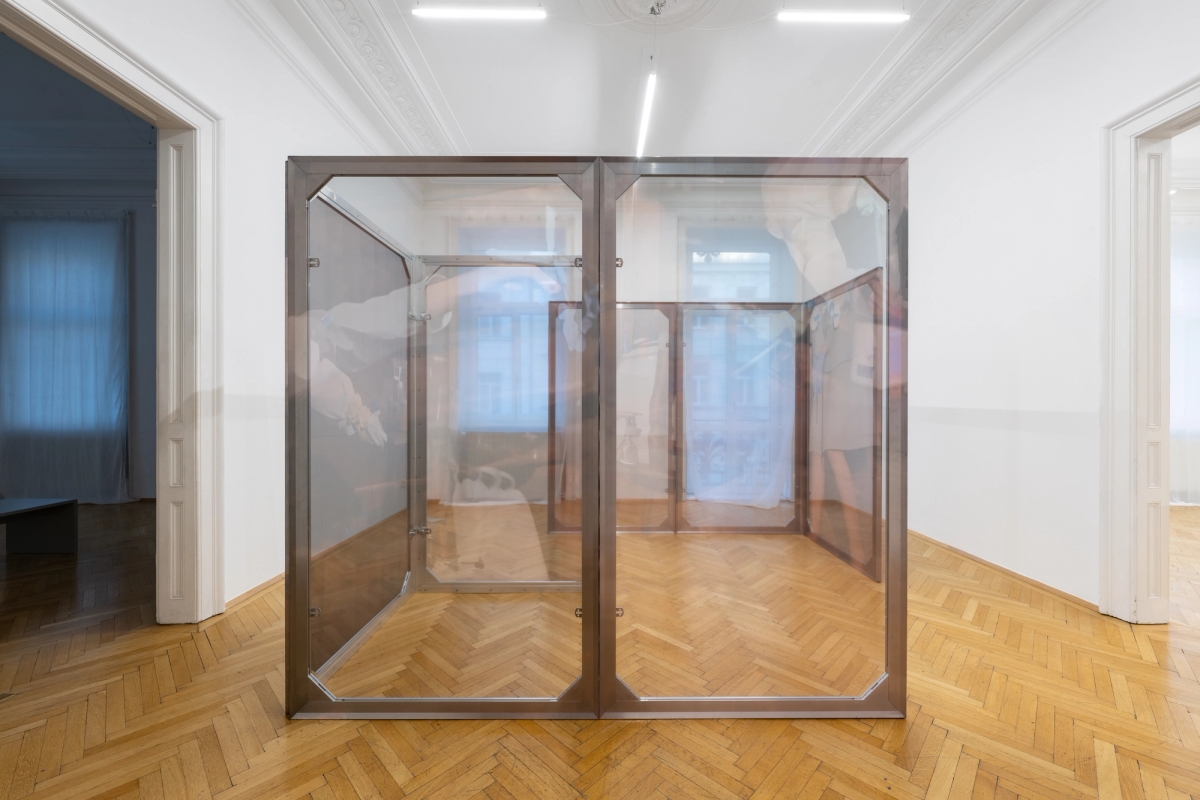
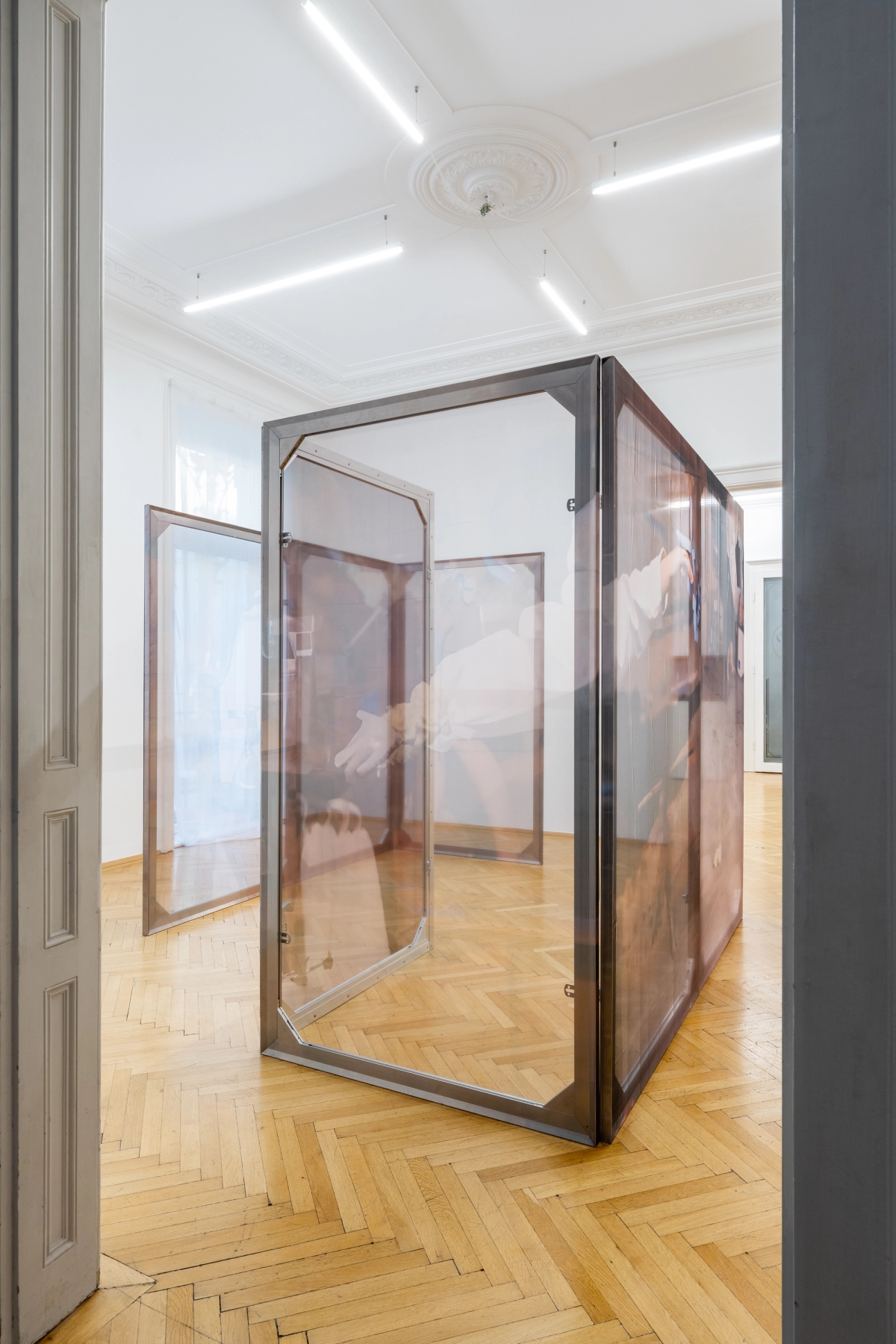
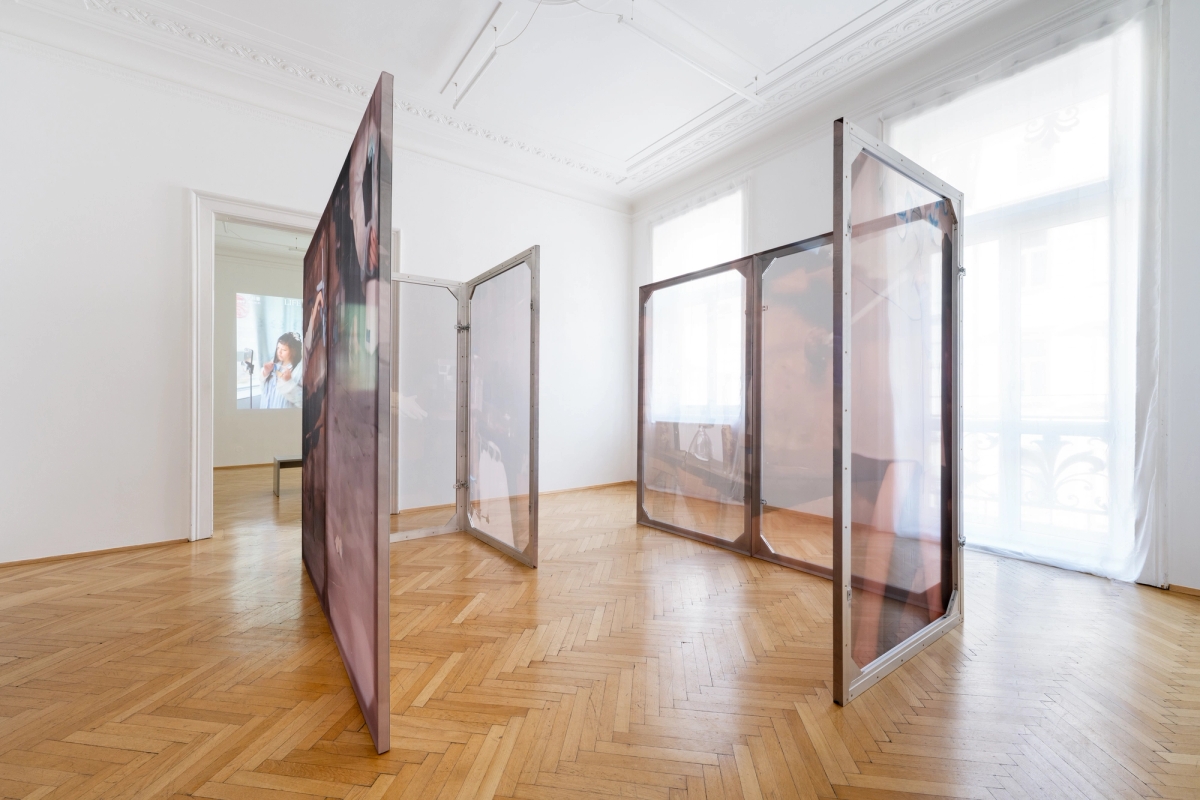
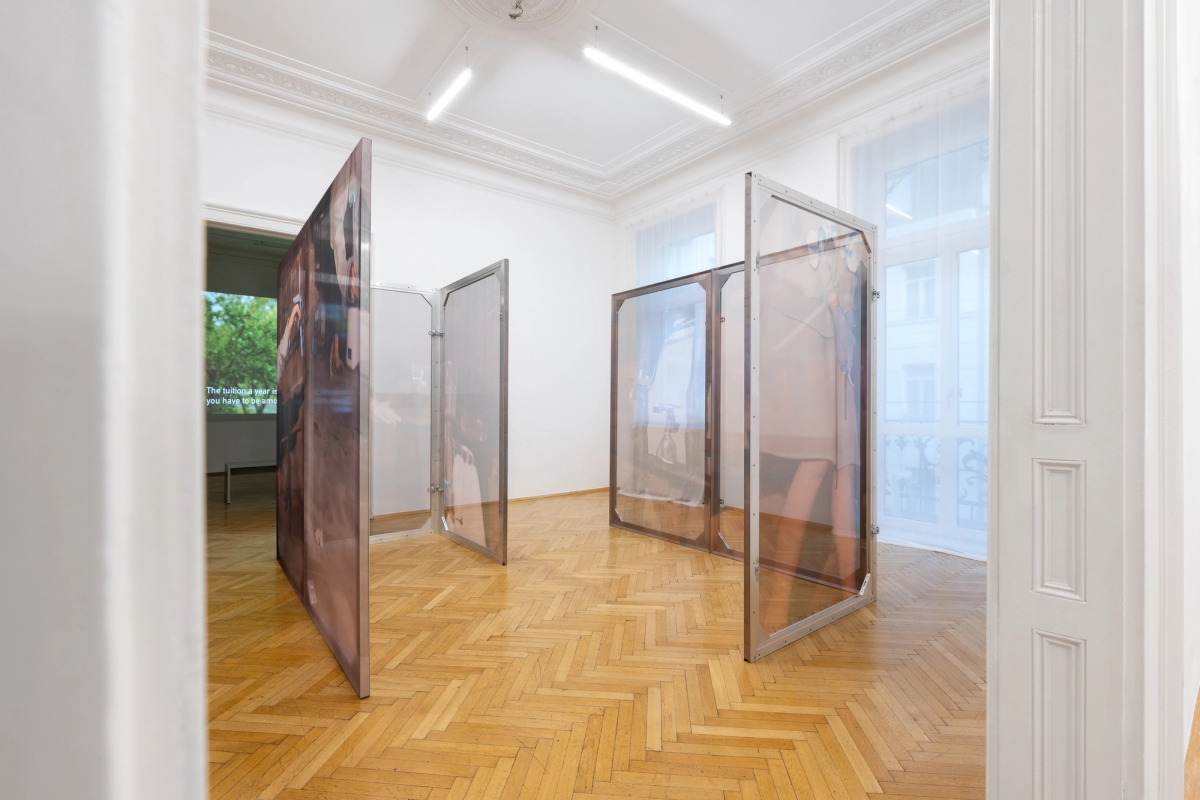
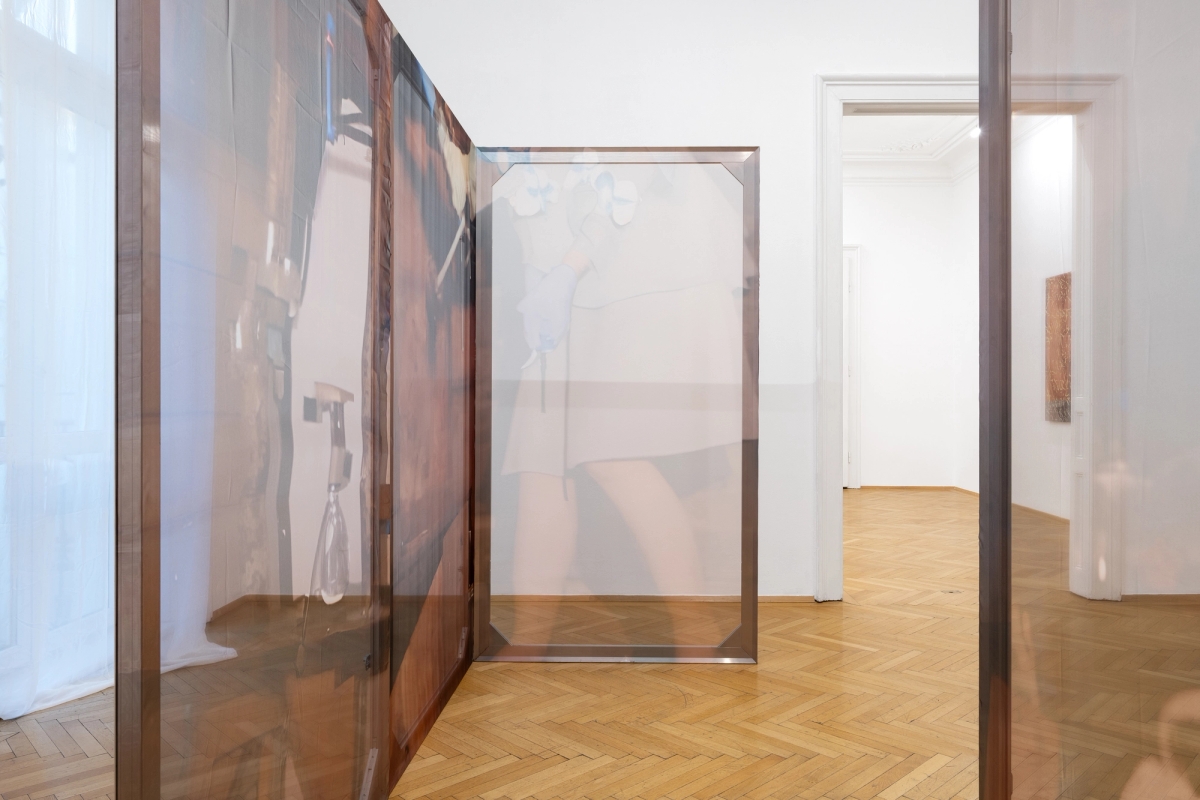
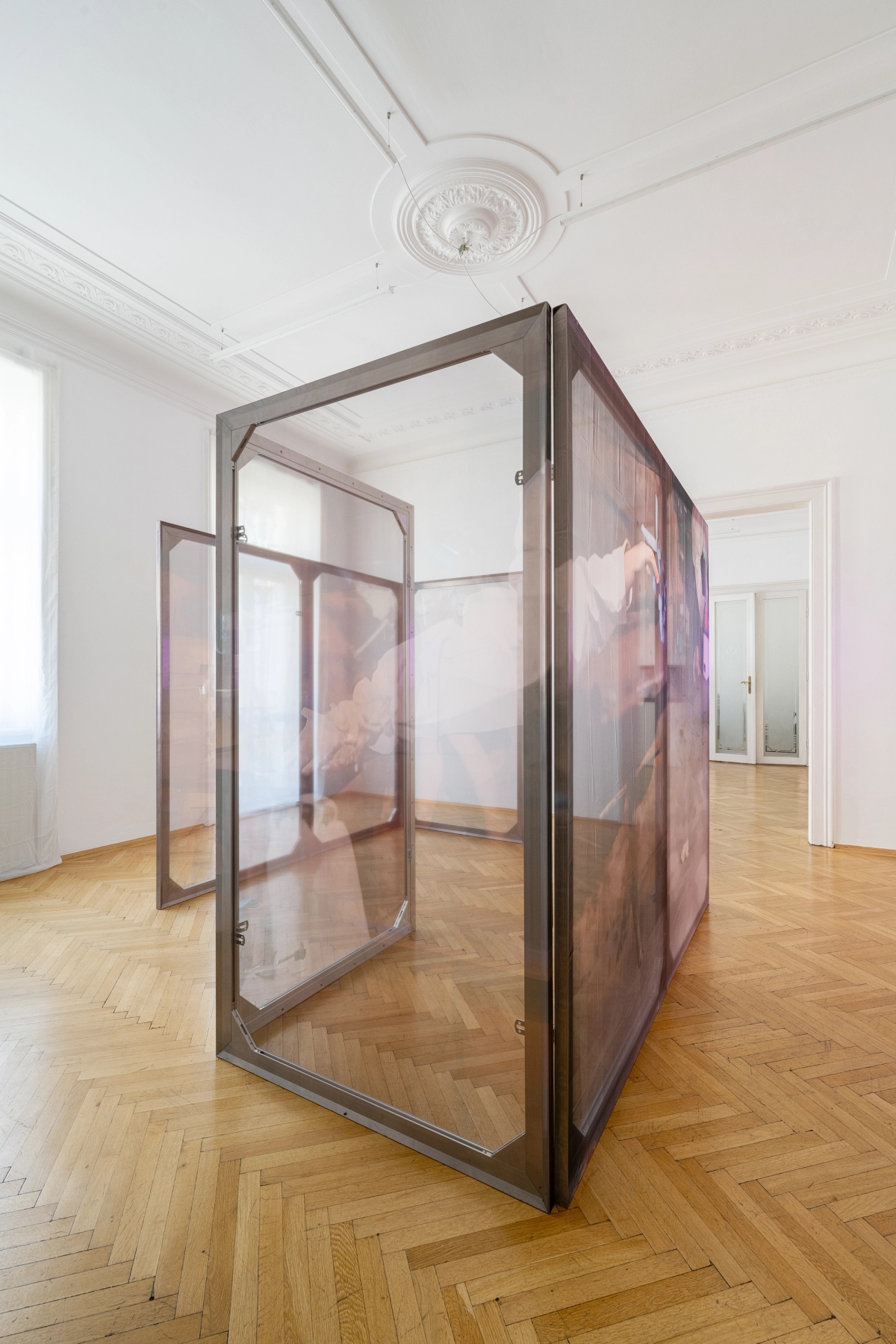
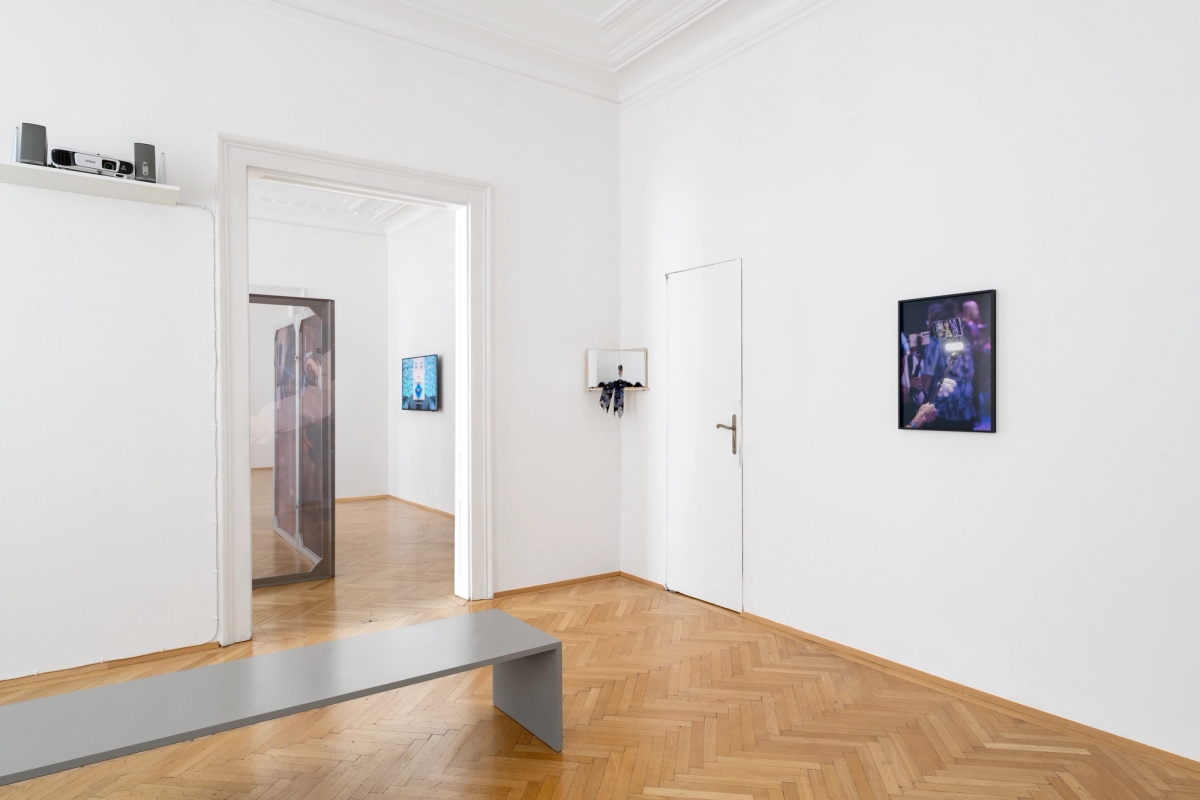
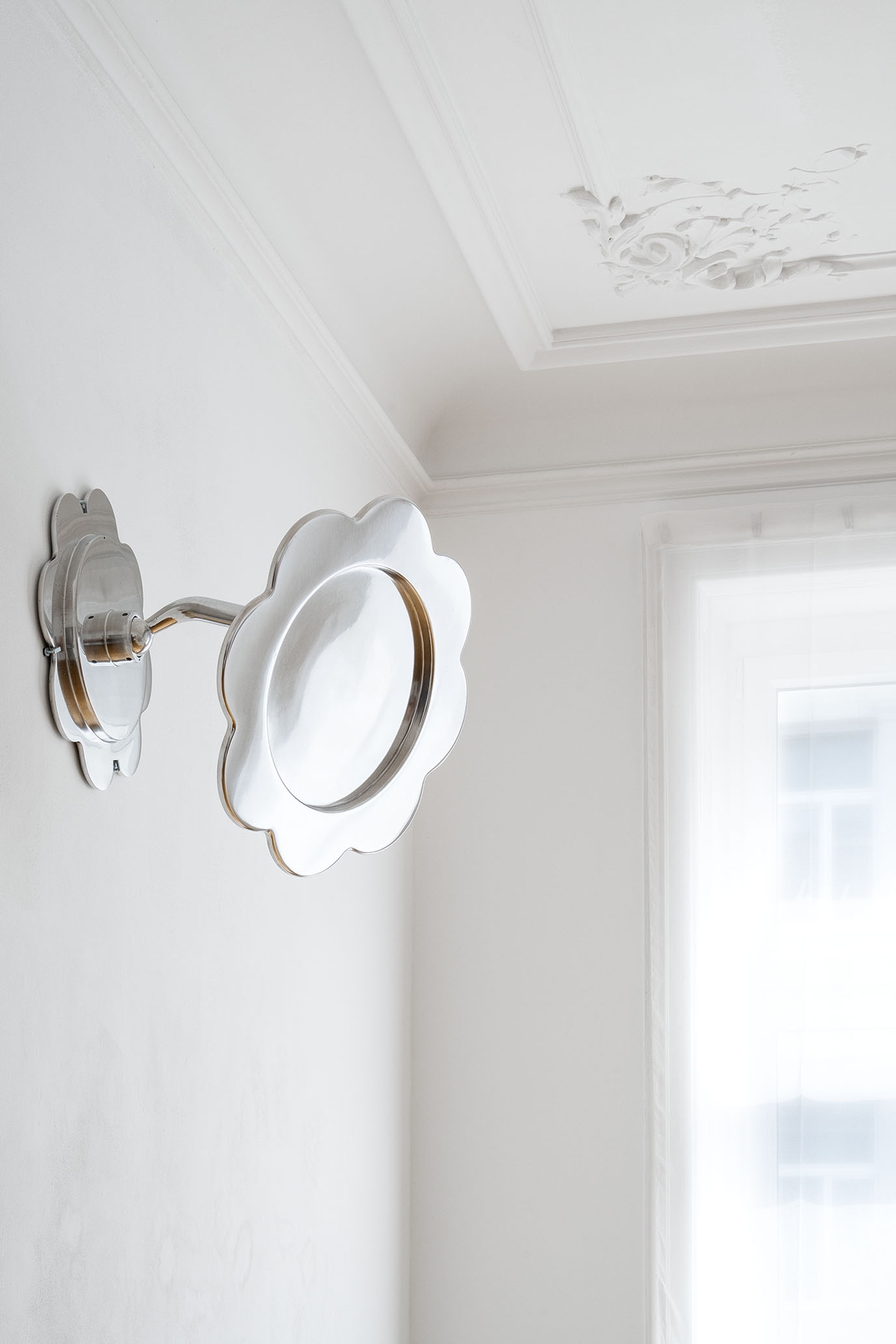
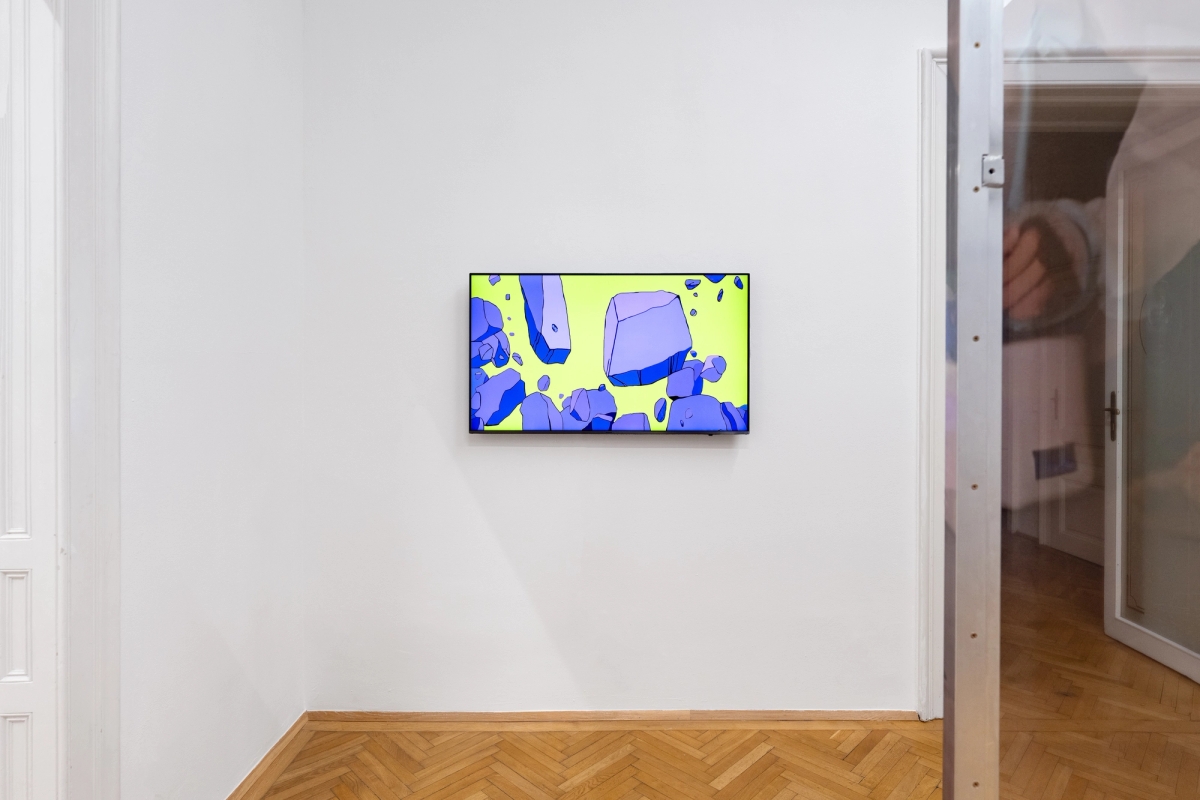
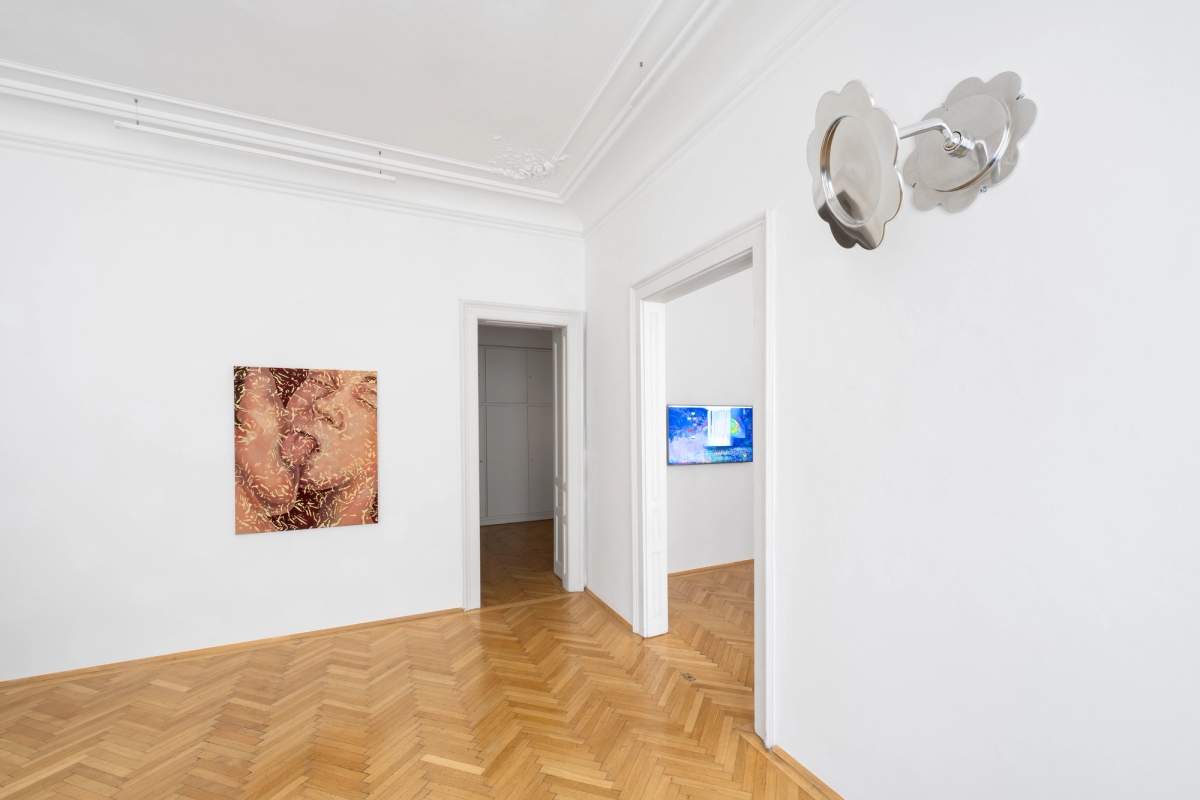
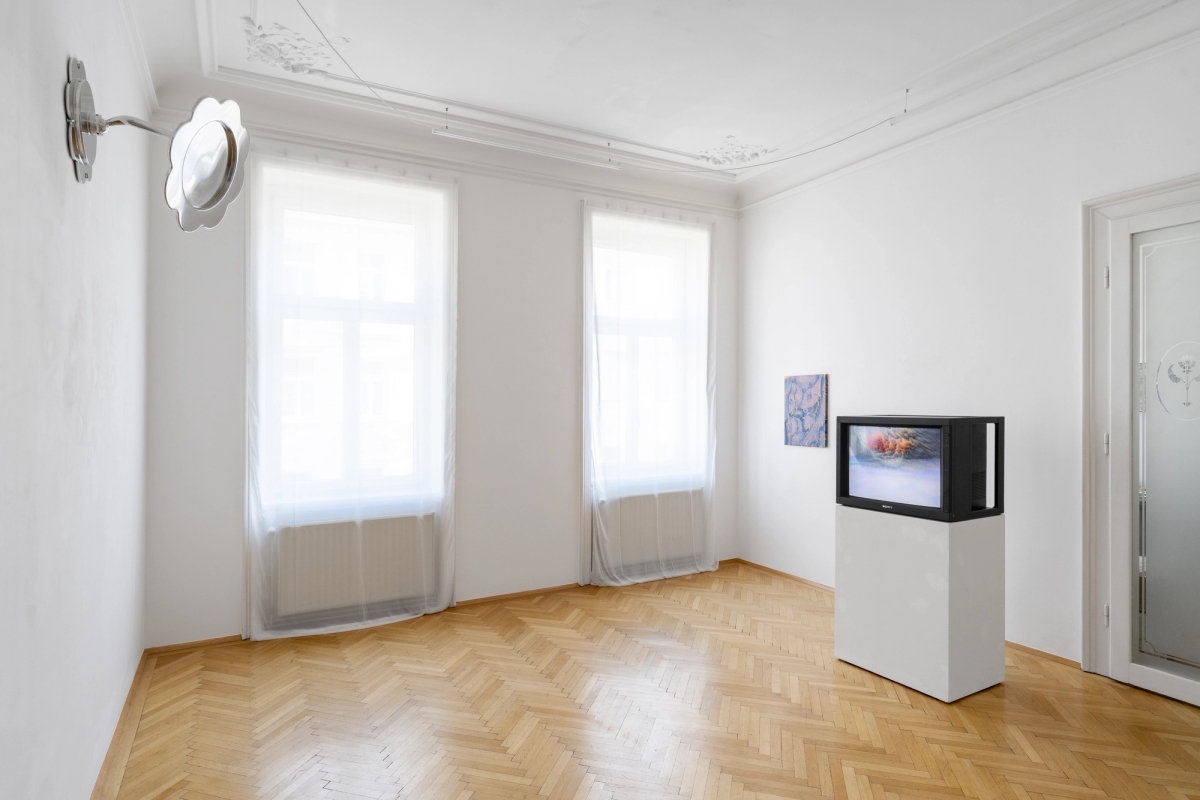
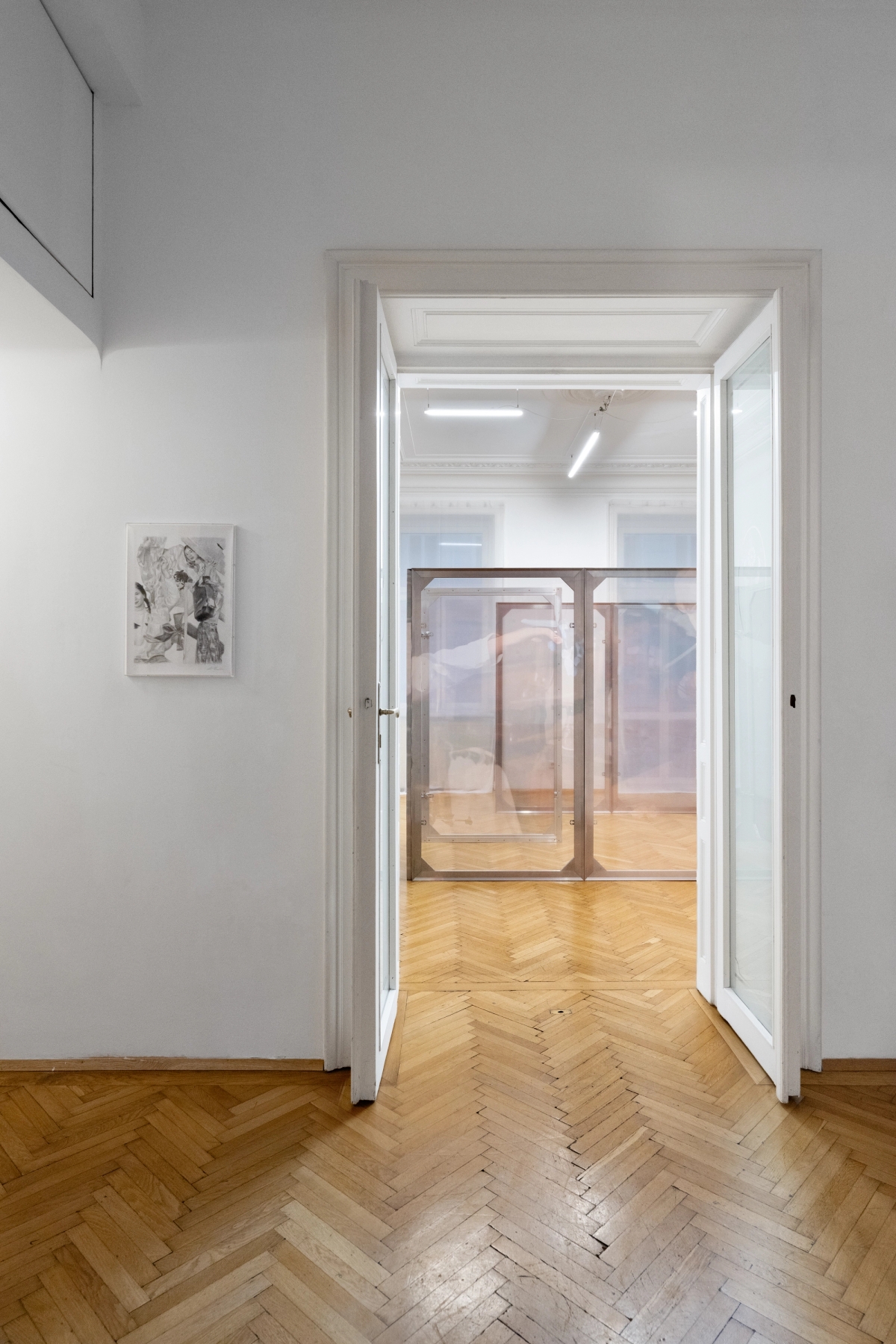
The exhibition It’s Supposed to be Simple, But I’m Not at Zeller van Almsick brings together artists who examine how image technologies permeate and shape contemporary life. Amid the ambivalence of hyper-connectedness, the works carve out spaces of resistance, questioning our relationship to the self, the body, and the performativity of social roles. Working across video, photography, sculpture and painting, the artists absorb and disrupt visual patterns, engaging critically with form and message.