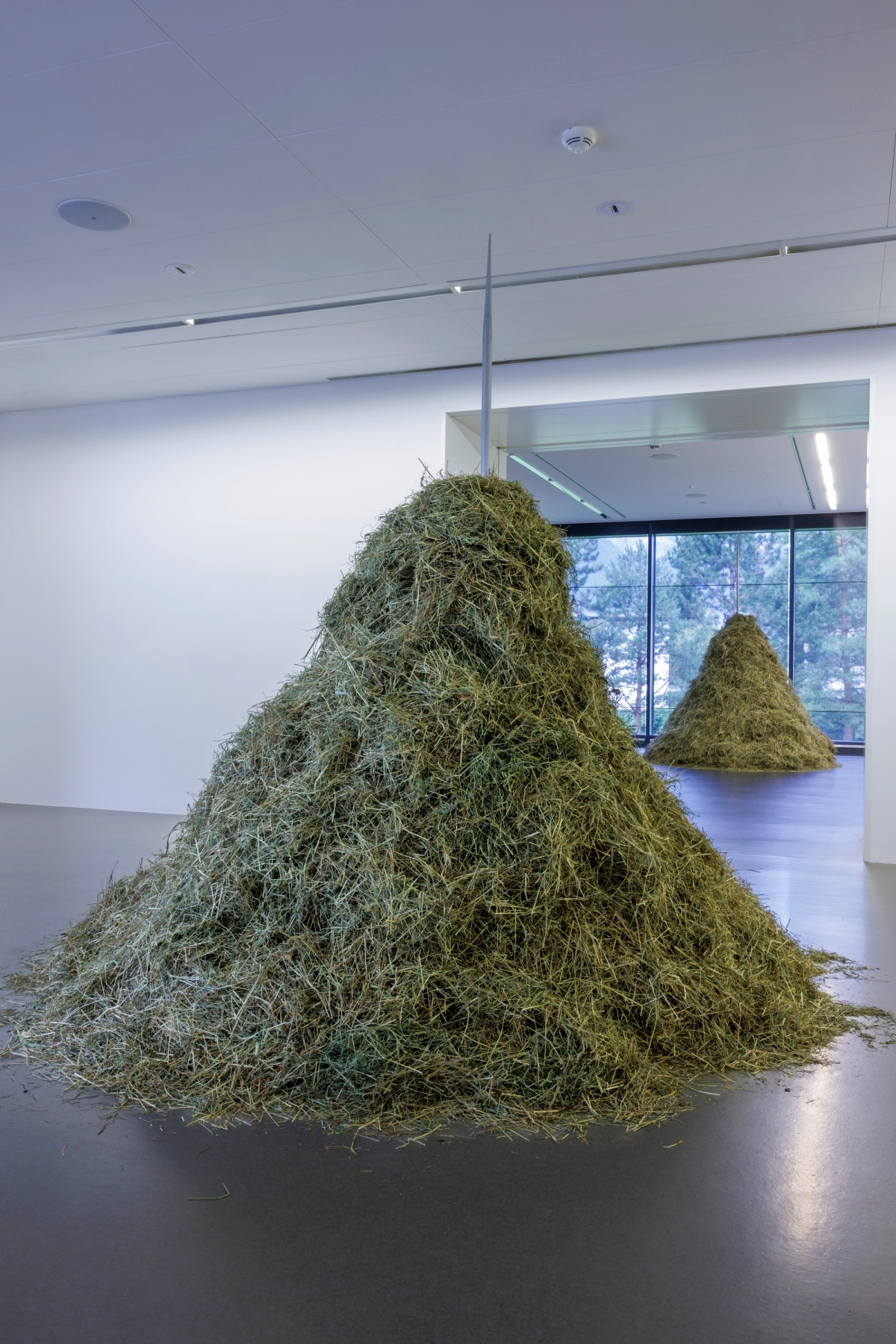
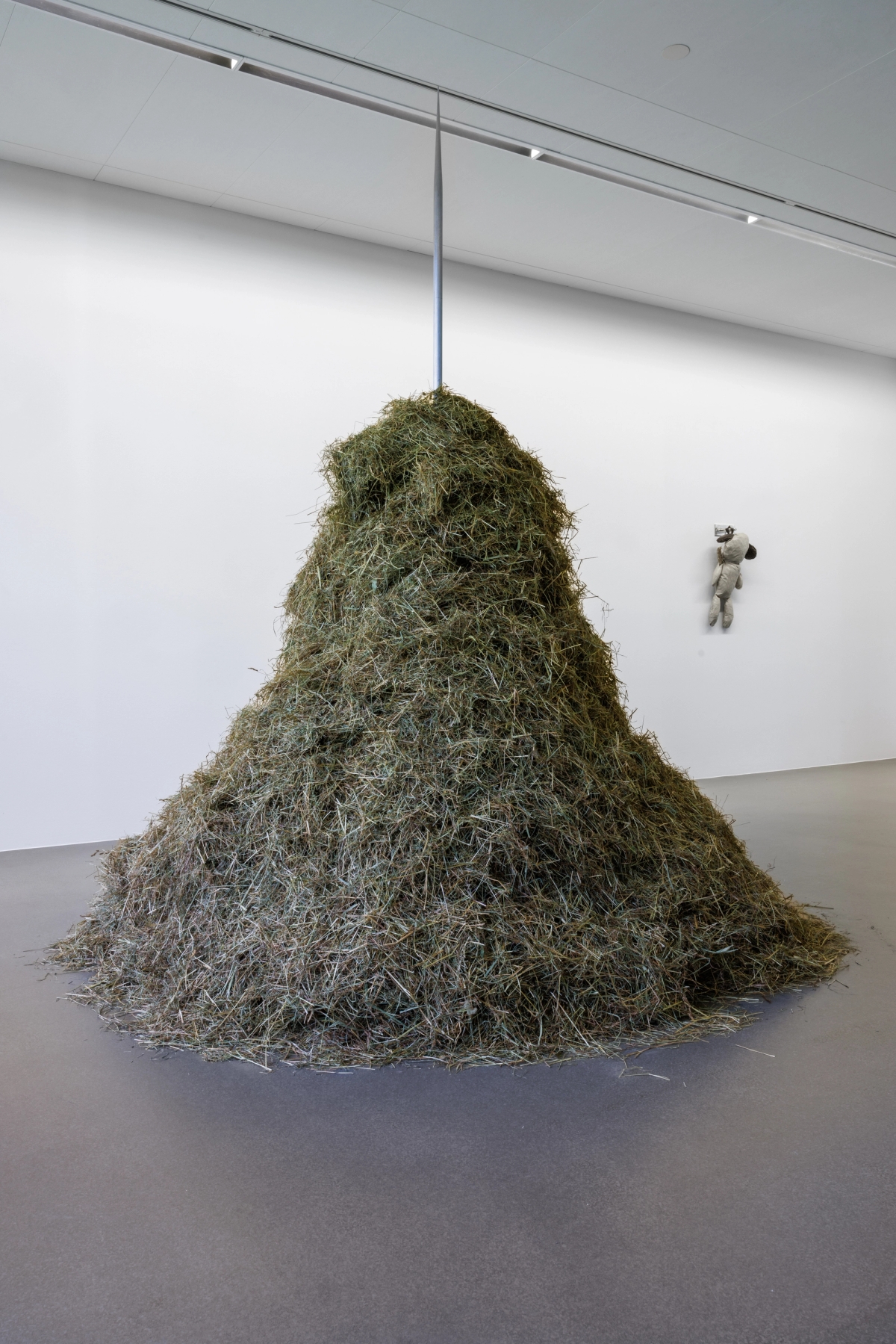
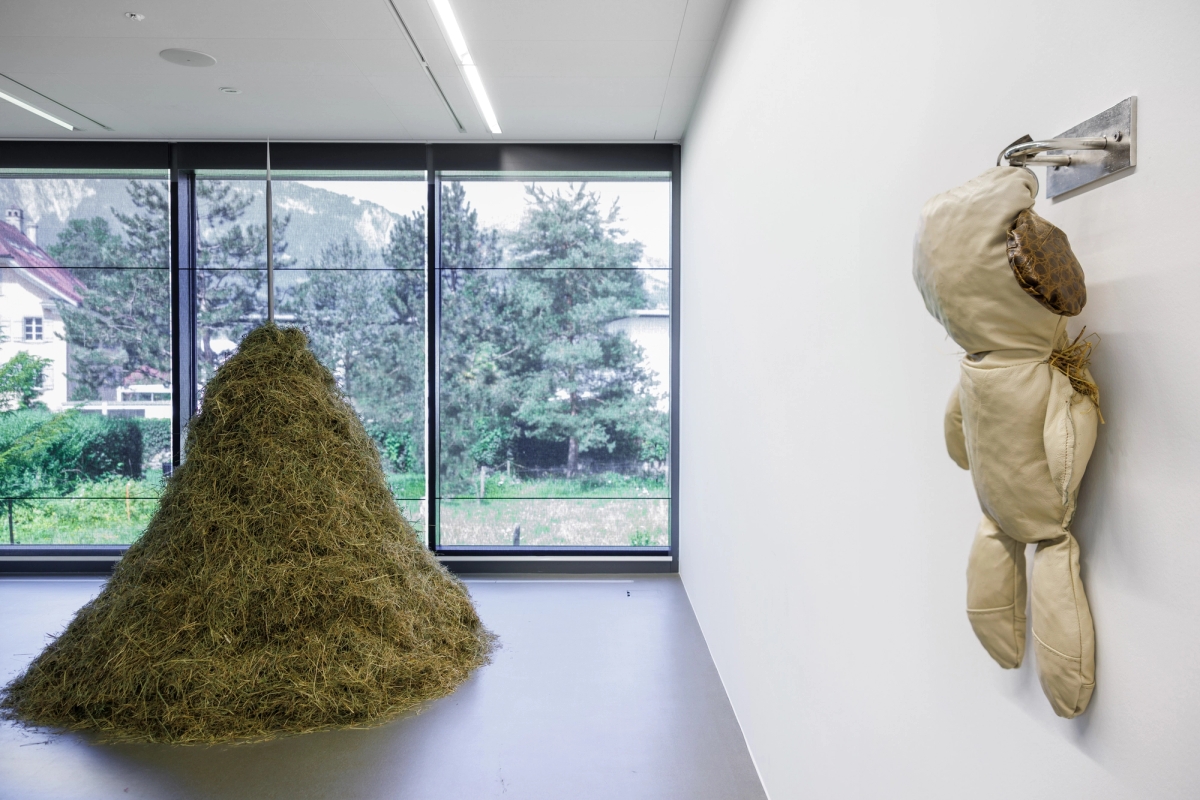
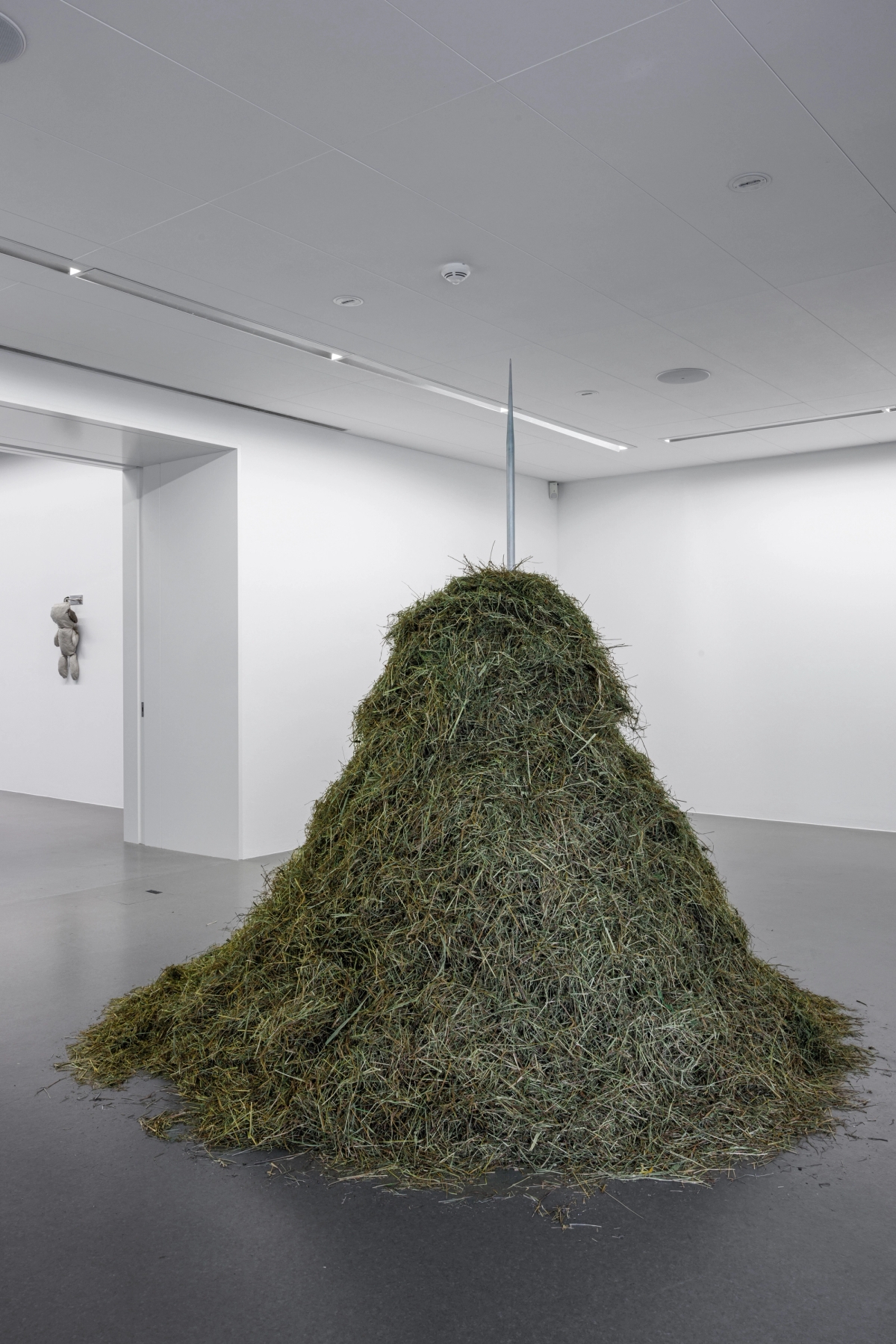
In spring, Dorota Gawęda and Eglė Kulbokaitė travel to Altdorf for the first time to view the exhibition spaces at the Haus für Kunst Uri. We then return together by train, following an arm of Lake Lucerne and skirting Lake Lauerz, with sweeping views of the mountains. Wetry to photograph the passing scenery through the train windows – never quite successfully. Both the solo exhibition Death by Landscape by Dorota and Eglė and the foyer intervention
Haus (‘House’) by IG Maisander reference the surrounding landscapes and our relationship
to nature. Questions of landscape representation – whether in the Western tradition of landscape painting or in contemporary attempts to capture landscape via a smartphone camera – are as central as the knowledge or stories a landscape might contain. Thus, the summer exhibition at the Haus für Kunst Uri is at once site-specific and global in scope. It engages directly with
the geographical and cultural space outside the institution, asking fundamental questions about our existence within landscape and, by extension, in the world. This perspective will also inform forthcoming exhibitions and projects at the Haus für Kunst Uri in an open and exploratory manner.
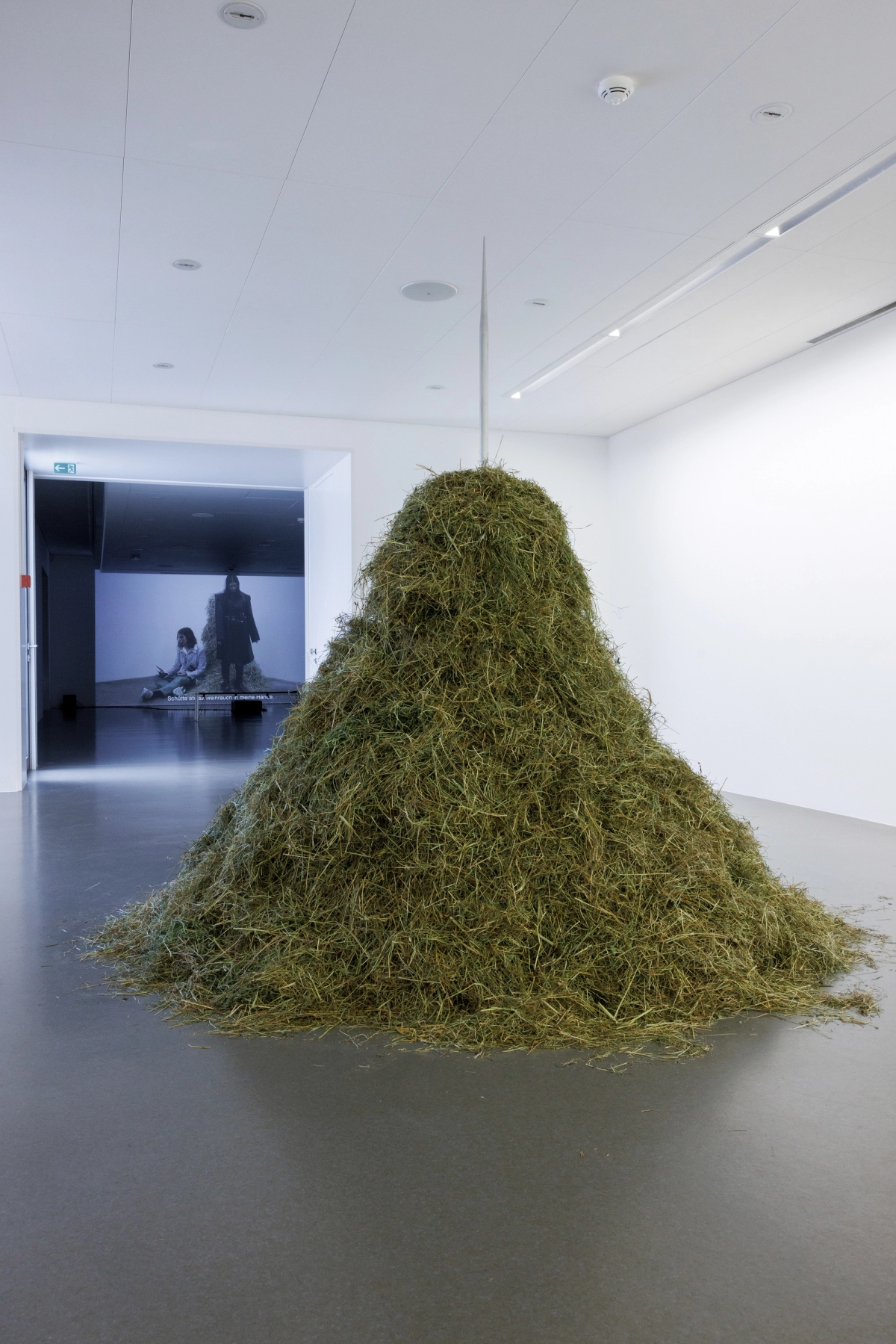
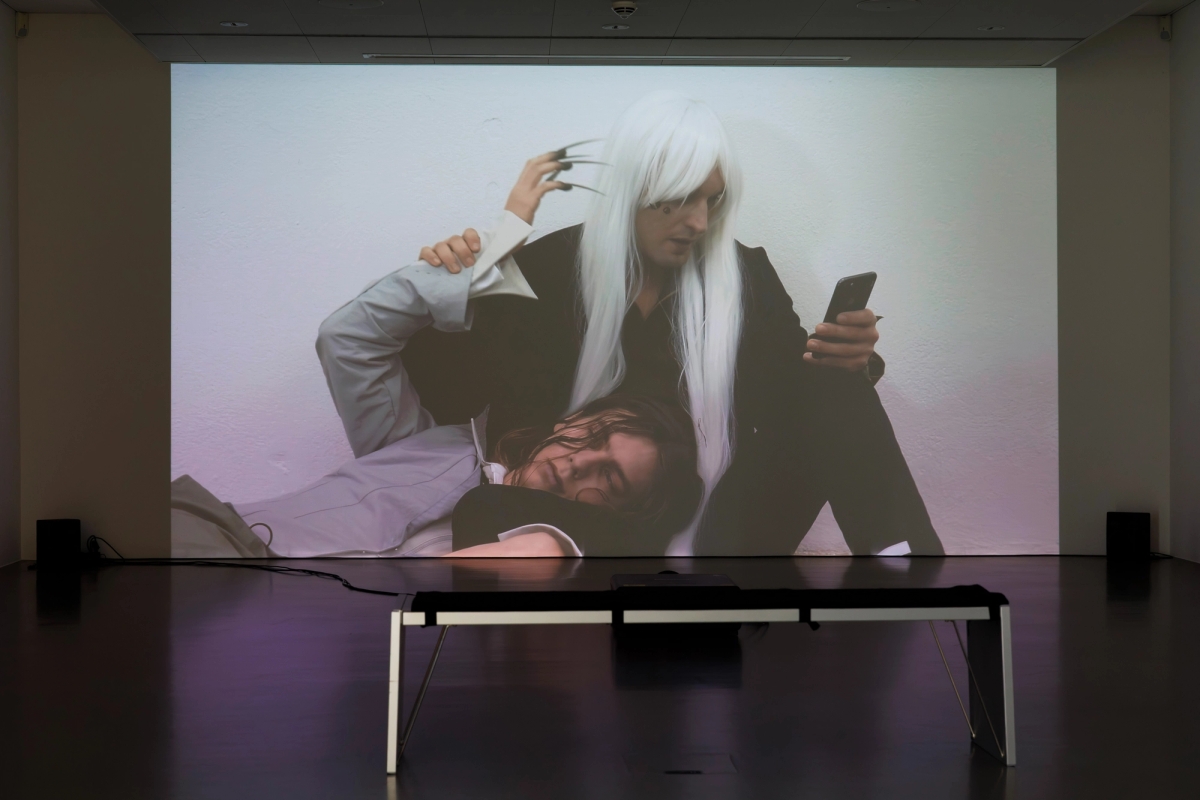
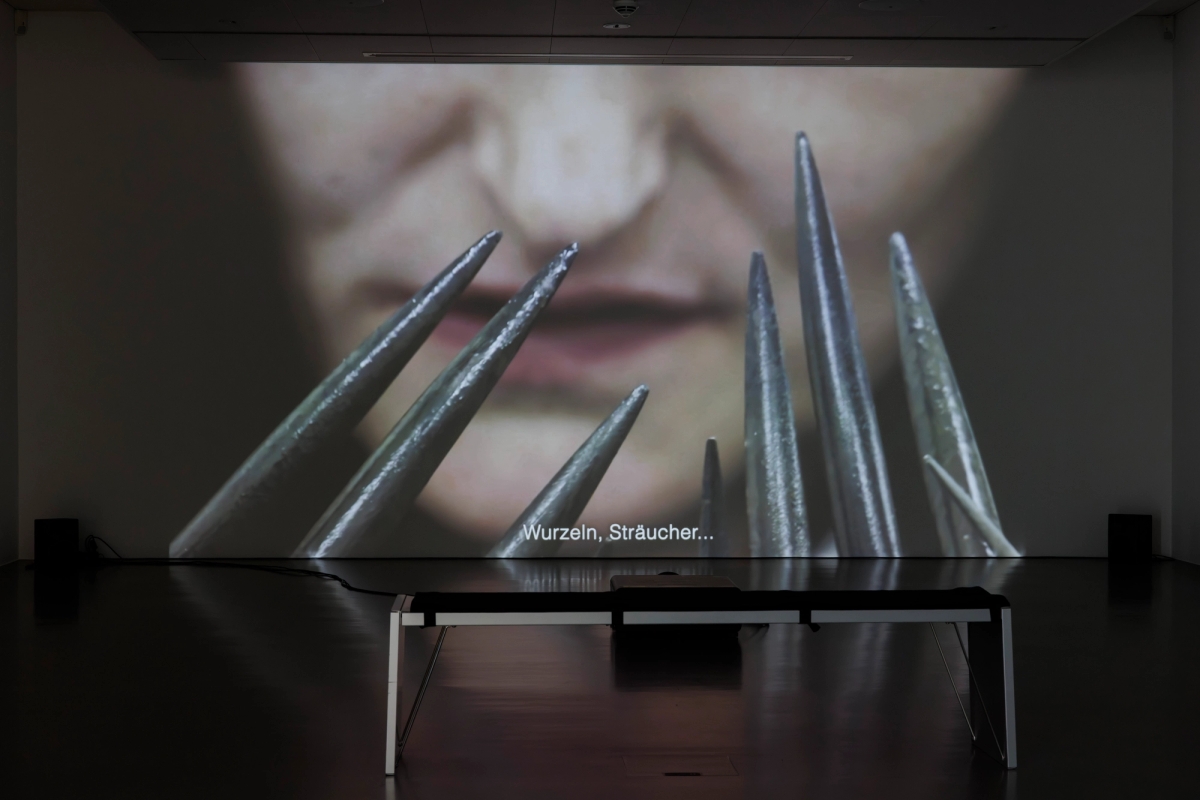
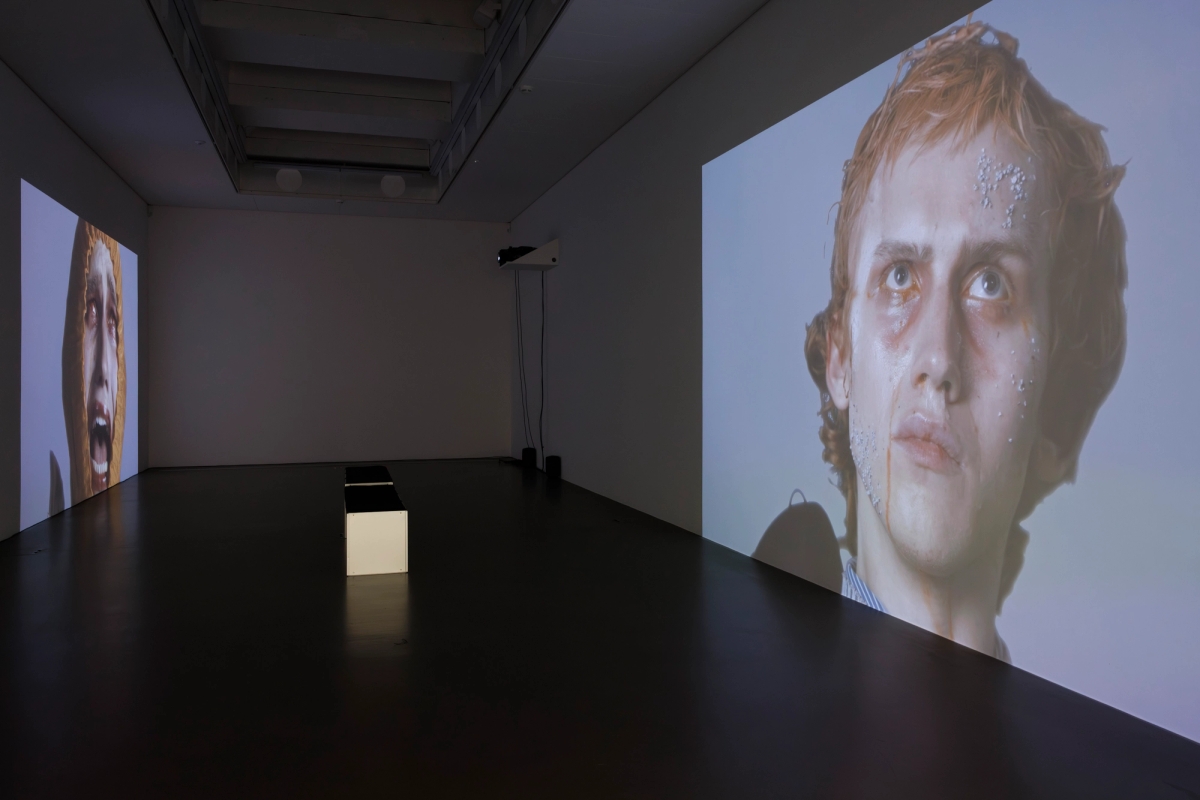
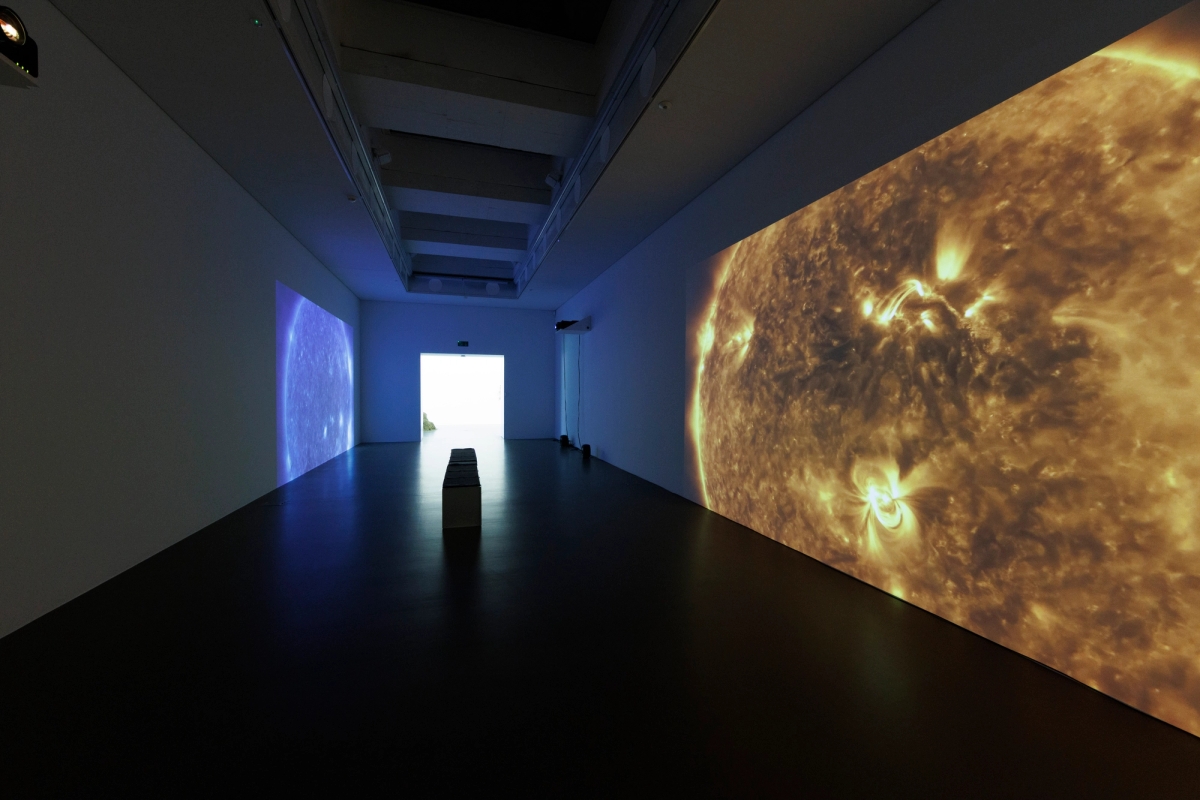
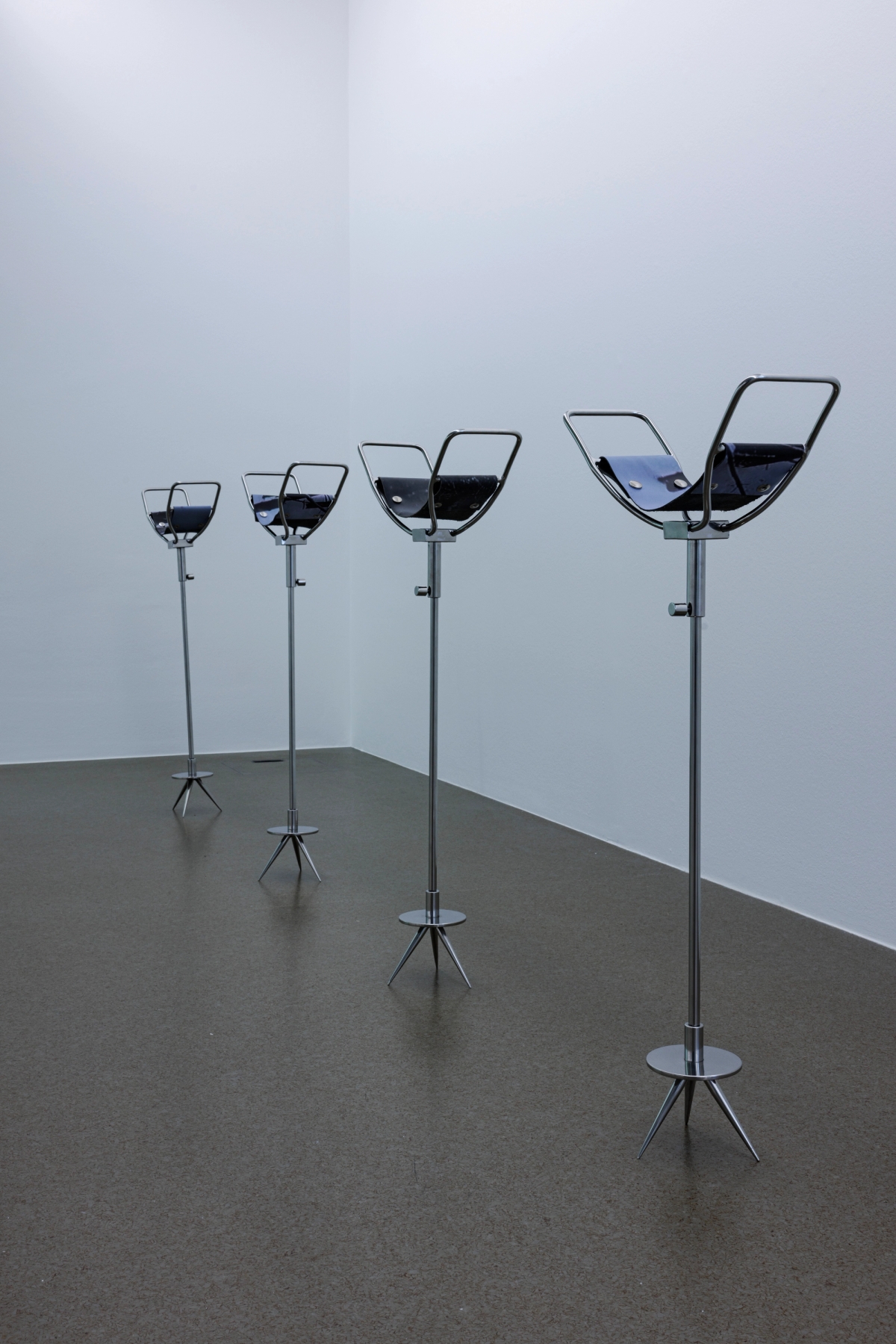
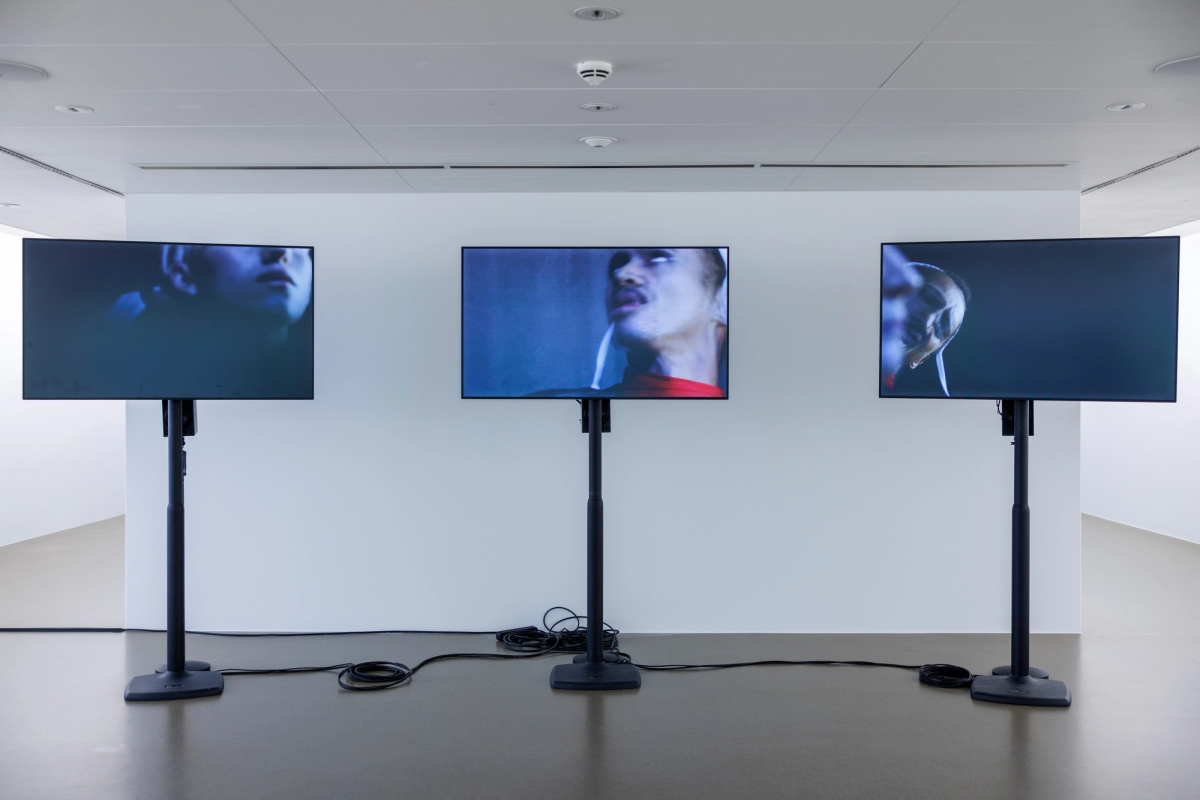
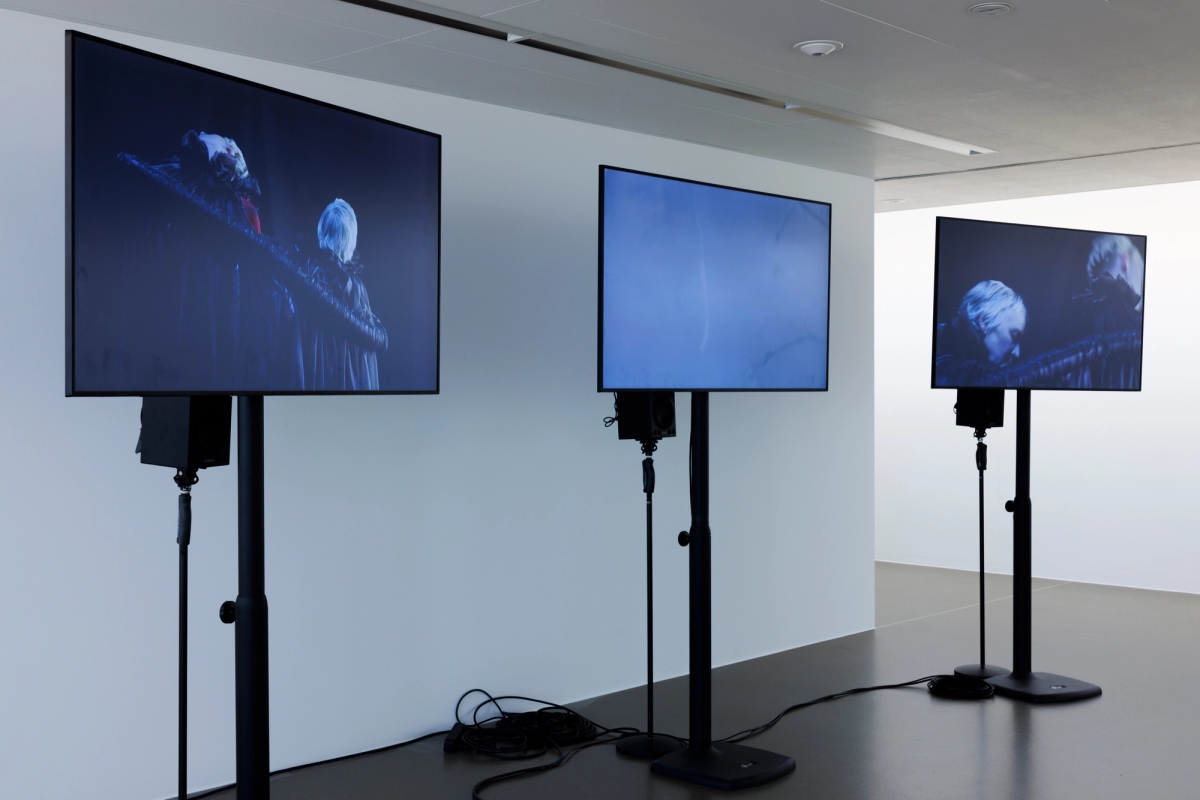
With the exhibition Death by Landscape, Dorota and Eglė further extend these reflections on landscape. For the first time, the artists present all parts of their Mouthless trilogy, placing them in dialogue with sculptural and installa- tion works. The exhibition title is borrowed from Margaret Atwood. In her 1989 short story of the same name, a teenage girl, Lucy, disap- pears during summer camp in the forest. Lois, Lucy’s best friend at the time, remains haunted by this disappearance for years. The wilder- ness is shut out of her apartment – “she is re- lieved not to have to worry [...] about the ivy or [...] about the squirrels gnawing their way into the attic”1 – yet remains present: the walls are hung with landscape paintings. “Despite the fact that there are no people in them or even ani- mals, it’s as if there is something, or someone, looking back out.”2 Lois finds her lost friend in these painted landscapes – behind the tree in a golden autumnal wood. Lucy is there, in the landscape. Dorota and Eglė’s works similarly evoke such ghostly presences and absences – figures in and of the landscape. Here, too, death by landscape signals a becoming-one with it: living in, through, and with landscape. For, indeed: ‘standing above the conception of landscape as a passive backdrop that simply unfolds before the artist’s gaze – as in the genre of landscape painting. Instead, they seek – also by means of artificial intelligence (AI) – new modes of representation, reminding us that landscapes and nature are never un- touched, but always constructed. They question the presumed supremacy of humans over nature and the associated construction of human subjectivity, which in Western culture is defined by demarcation from nature as ‘other’. Their research draws on scientific voices from biology and ecology, which demonstrate our deep entanglement and symbiotic dependence on nature. landscape’ has failed, leading us directly into the acute climate crisis. The artists call for a radical change of perspective. In their work, landscape and nature emerge as active, resistant protagonists.
Curated by Gioia dal Molin